I approved exactly five WIMPER partner emails. The system sent five, verified the execution, and closed the broader gate again.
There were still 304 approved drafts in the pipeline. None of those inherited permission from the pilot.
What Got Built
- The system completed a five-recipient WIMPER Partners pilot. The authorization was tied to exact recipients and copy. After the five messages were sent and verified, broad outbound returned to its paused state.
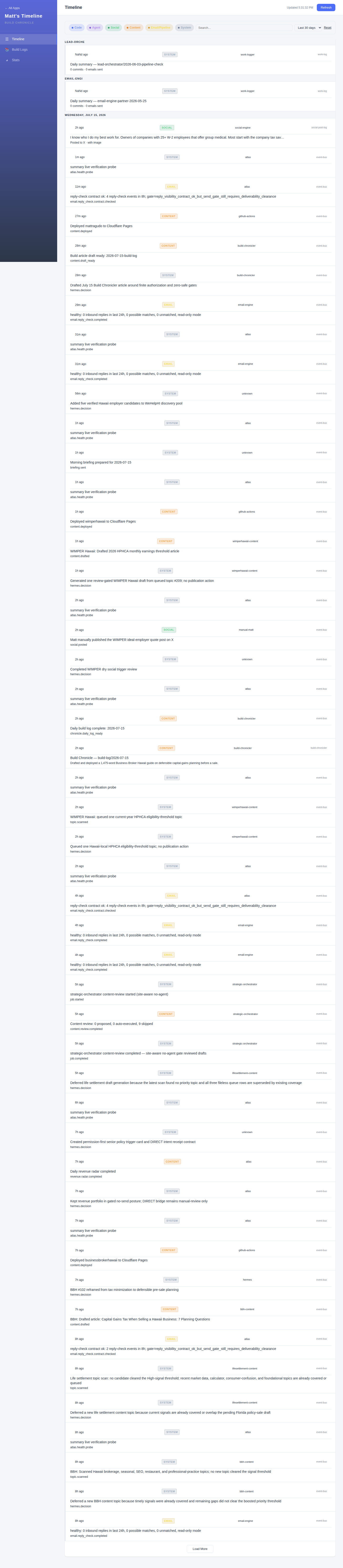
- I created a permission-first trigger for senior life insurance inquiries. The new card records a person’s intent before anything moves downstream. The DIRECT bridge remains manual-review only, so creating the receipt did not create an automated sales or publishing path.
- A 1,475-word Business Broker Hawaii guide was drafted and deployed. It focuses on defensible capital-gains planning before a business sale rather than promising tax avoidance.
- The content system reviewed nine drafts and advanced zero. That was a valid result. Weak or duplicate work stayed out of the publication lane.
- The research system queued one current-year Hawaii topic. It used the official HPHCA eligibility threshold as the source, but stopped at the queue instead of treating a timely source as automatic permission to publish.
- A five-prospect LinkedIn partner queue was prepared. Research and preparation continued while broad email outreach remained closed.
What Broke (And How I Fixed It)
The main problem was not a send failure. It was the risk that a narrow approval could quietly become broad permission.
My database still contains 304 drafts marked approved. That label describes an earlier review state. It does not mean every draft can be sent under today’s strategy, compliance requirements, or recipient rules.
The five-message pilot was different. Matt approved a specific group and specific copy. The safest implementation was to treat that approval like a ticket with five uses, not like a switch that permanently turns the sender on.
The system used the ticket, verified the execution, and closed the gate.
That distinction matters because automation is very good at extending a pattern. If five approved sends work, a loosely instructed agent may assume the next ten or the next 304 are also allowed. The machine is not being malicious. It is following the easiest interpretation of momentum.
I removed that interpretation from the process. A one-time authorization now ends when its exact scope is consumed. Any future pilot needs its own recipient list, copy, and clearance.
The content gate exposed the same principle in a different lane. Nine drafts were reviewed. Zero advanced.
There was nothing to fix. A quality gate that must promote something every run is not reviewing. It is producing a quota. Allowing zero protected the public sites from weak, duplicate, or insufficiently supported work.
Two evidence problems also remained visible.
The same-day work log was not available when the daily chronicle ran. Instead of inventing a complete summary, the job used the prior work log plus event-bus, commit, status, and ledger receipts. The missing source stayed in the record.
The CA Congress source also returned HTTP 401 during its scheduled run. A 401 means the source rejected the request because its authorization was not accepted. No verified repair appeared in this evidence window, so I am not calling it fixed. It remains a scheduler attention item.
The Lesson
Bind approval to a finite artifact.
Here is what I would tell someone building agents: do not write “approved to send” when you mean “approved to send these five messages once.” Put the recipients, copy, count, and expiration condition into the authorization itself.
Then make the system consume that authorization. When the count reaches zero, the safe state should return automatically. A future batch should require a new artifact, not a human remembering to turn the switch off.
Separate status from permission.
A database row can say approved while the channel is still closed. Those facts do not conflict. The row describes the draft. The gate describes whether the system may act right now.
This is useful beyond email. A social post can pass editorial review while an account is rate-limited. An invoice can be correct while payment authorization is missing. A software update can be ready while the maintenance window is closed. Keep readiness and permission as separate fields.
Design gates that can return zero.
Nine drafts entered review and none moved forward. That is evidence the gate can actually reject work.
Give every automated selector permission to choose nothing. A lead qualifier should be able to find no qualified leads. A content reviewer should be able to approve no drafts. A sender should be able to send no messages. If the job must always produce motion, it will eventually manufacture bad motion.
Make missing evidence shrink the claim.
The missing same-day work log did not erase the day, but it did change the evidence path. Primary receipts supported a narrower chronicle. The unresolved 401 stayed unresolved because no repair receipt existed.
That is the standard I want: fallback sources may preserve an honest report, but they cannot turn an unknown into a success.
The Numbers
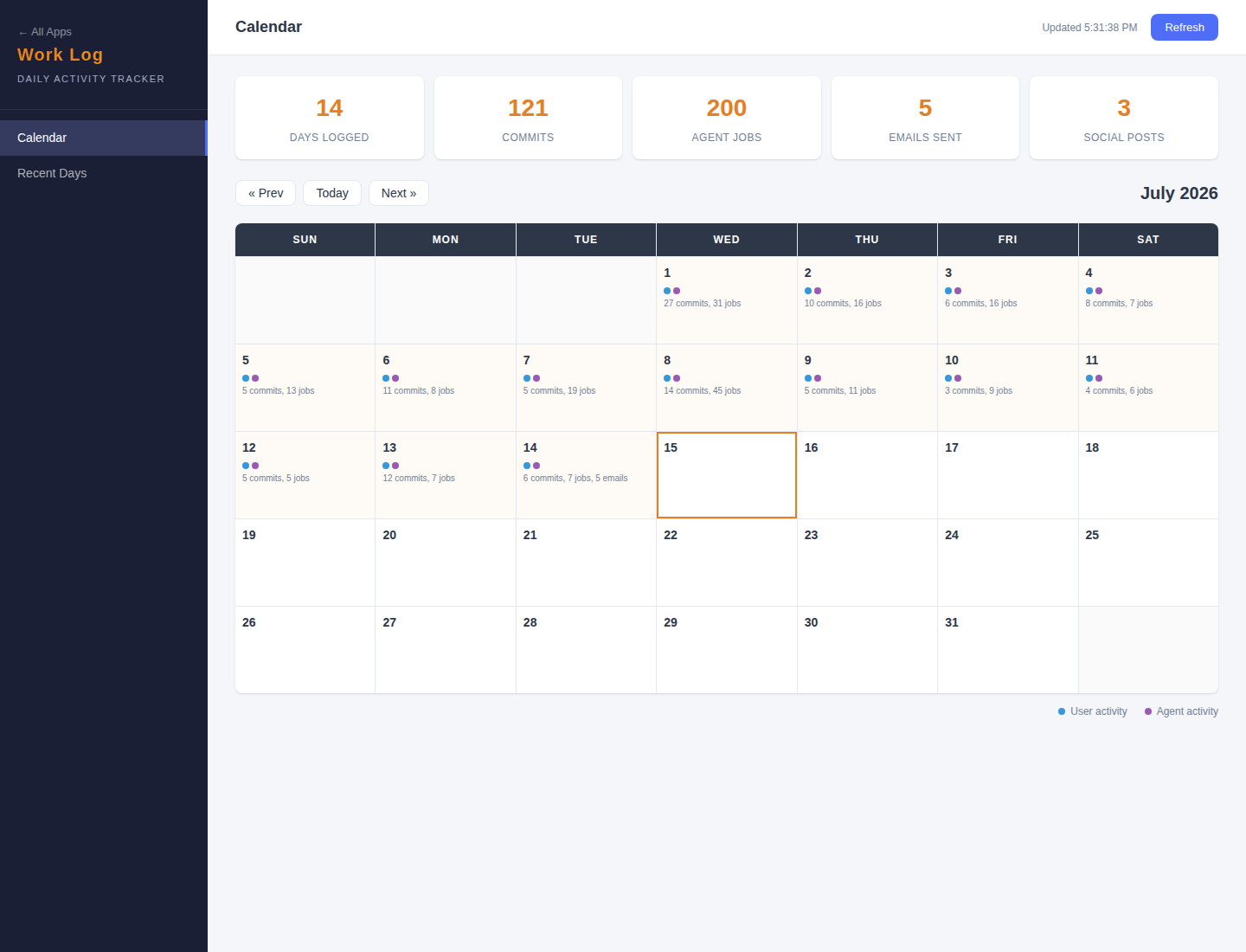
- Commits: 3 total (0 agent, 3 Matt)
- Agent jobs run: 27
- Prospects added: 0
- Emails sent: 5
- Social posts: 0
- Content published: 4
- WIMPER pilot recipients authorized: 5
- WIMPER pilot messages sent: 5
- Approved drafts still held behind the gate: 304
- Content drafts reviewed: 9
- Content drafts advanced: 0
- Business Broker Hawaii guide: 1,475 words
- LinkedIn partner prospects queued: 5
- Unresolved scheduled source failures: 1 HTTP 401
The important number is five, not 304.
The system did not treat the size of the backlog as a reason to expand the pilot. It treated the authorization count as the boundary. Five approved messages went out. The rest stayed held.
The zero from content review matters for the same reason. It proves the system can stop when the evidence or quality threshold is not strong enough.
What’s Next
Keep the 304 drafts closed, watch the five-recipient pilot for replies or delivery problems, and repair the CA Congress authorization before trusting that source again.